Have you started thinking about your first major landscaping project in Ottawa or the surrounding area and found yourself wondering what “hardscaping” and “softscaping” actually mean? You’re not alone—most homeowners don’t hear these terms until they start planning an outdoor upgrade.
Here’s the good news: it isn’t as complicated as it might seem. Most major exterior upgrades fall into two categories: softscaping (aka what grows) and hardscaping (aka what’s built). In this blog post, we’ll define these types of landscaping, offer some popular examples, and help you determine which option is right for your project. Keep reading to learn more!
What is Softscaping?
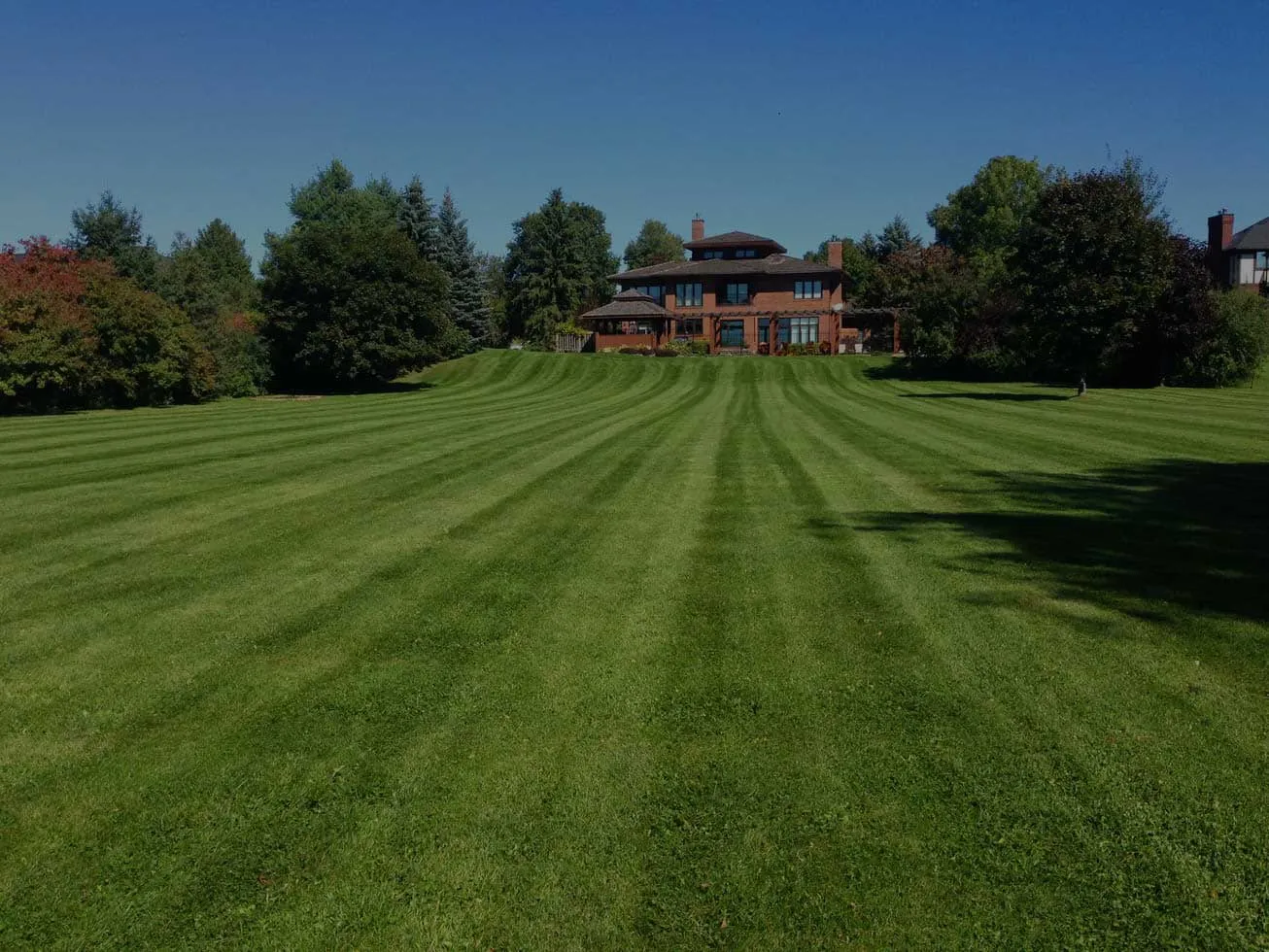
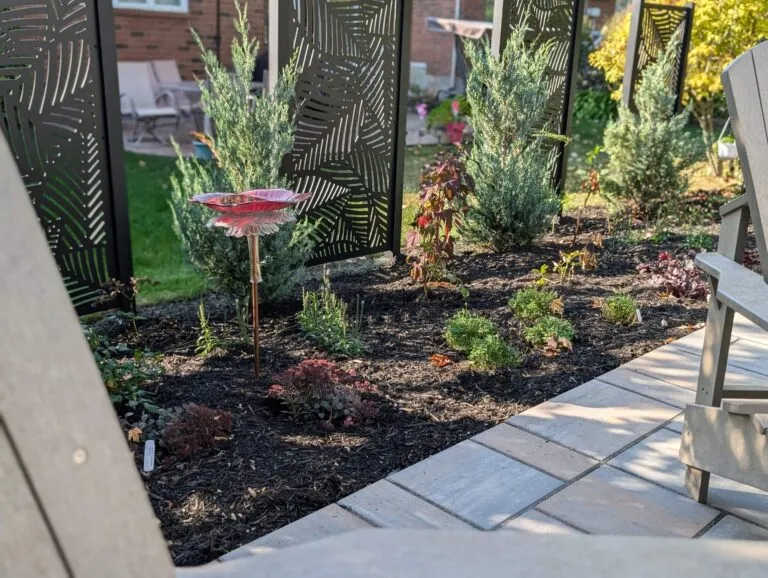
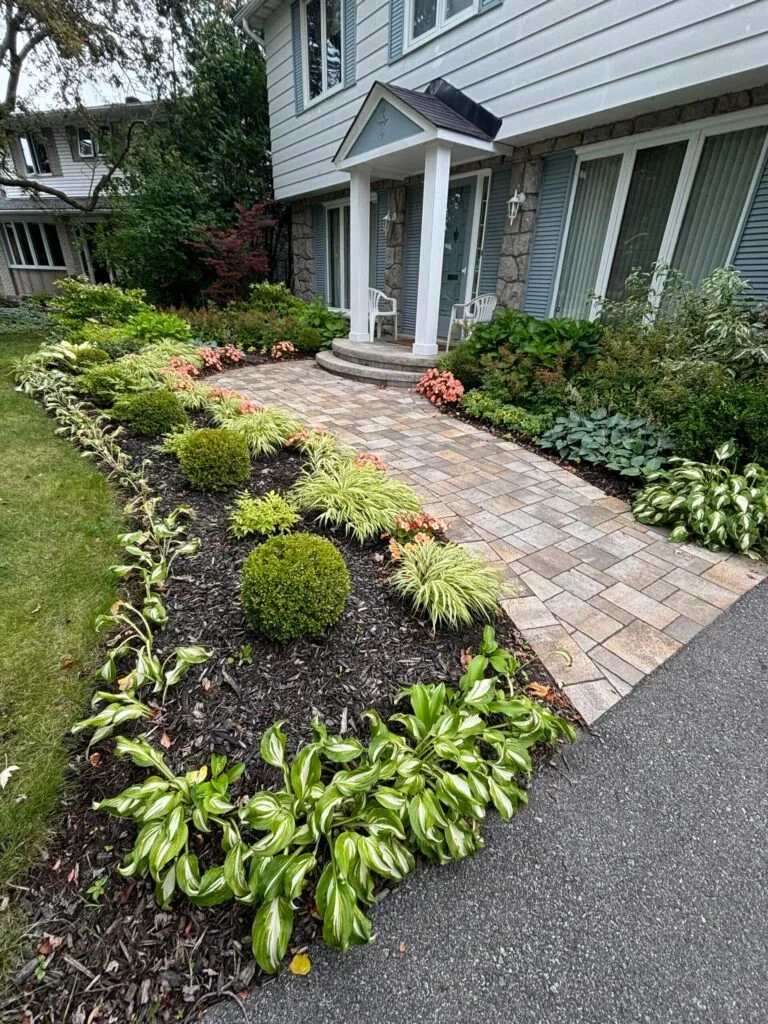
Softscaping includes all the living elements in your backyard—anything that grows, blooms, or changes with the seasons. Common examples of softscaping are:
- Trees and shrubbery
- Ground cover, flower beds, and perennials
- Grass
- Mulch
What Is Hardscaping?
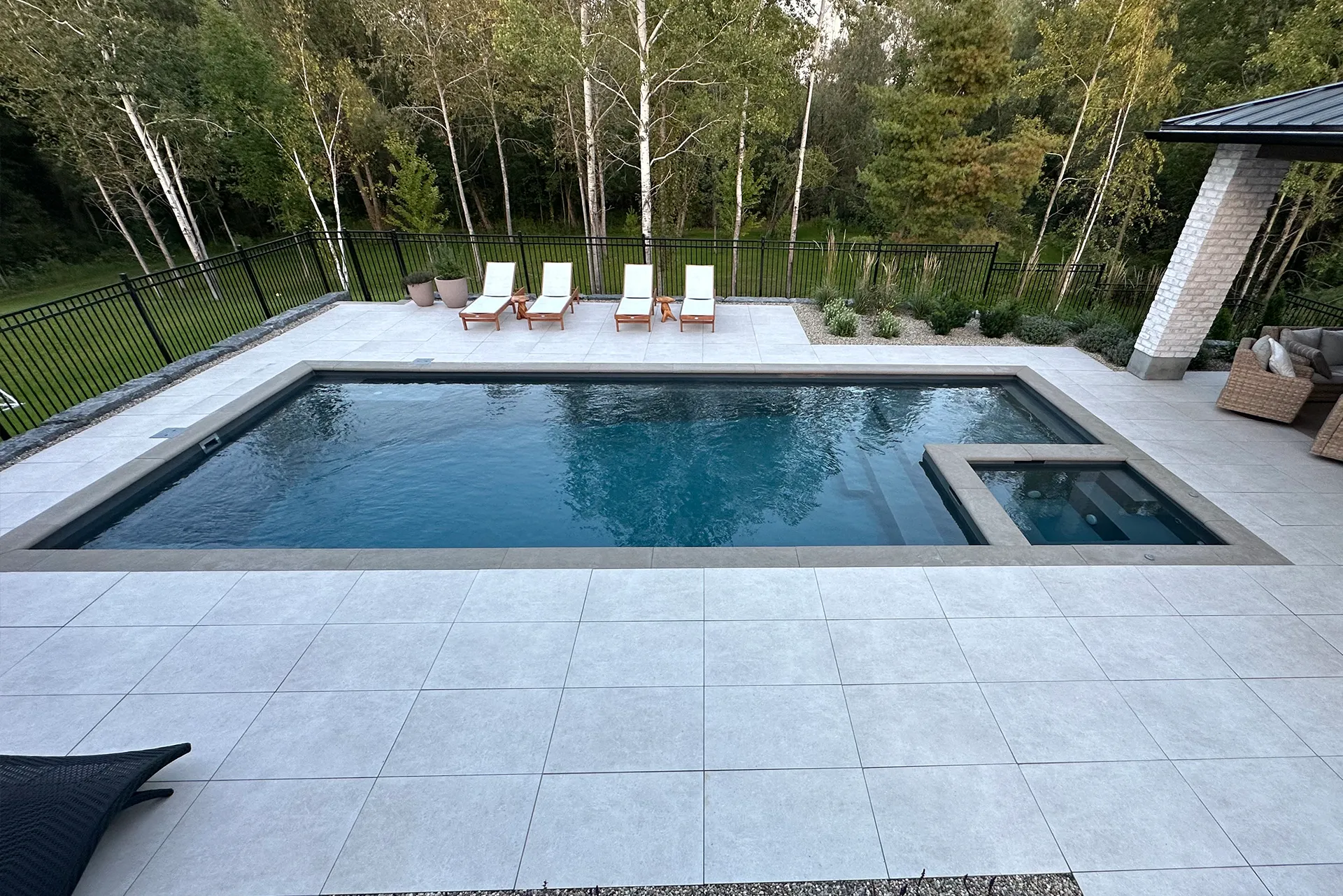
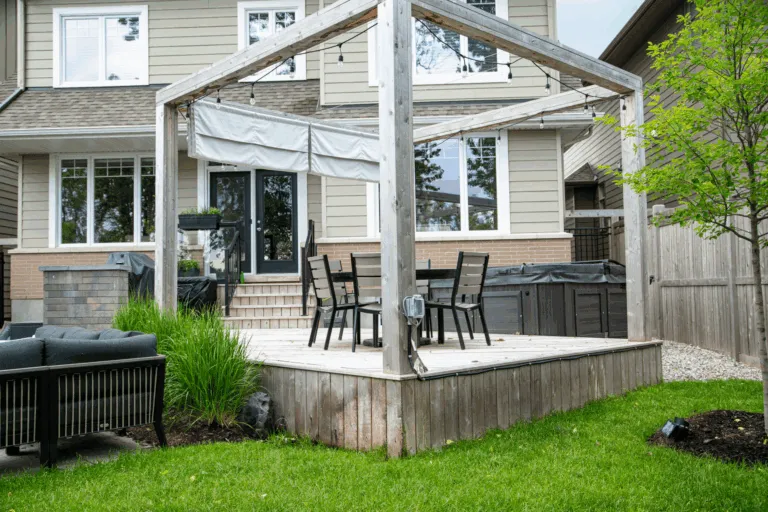
Hardscaping refers to the non-living, built features of your landscape. These elements shape how you move through your yard and how you use the space day to day. Some popular examples of hardscaping work are:
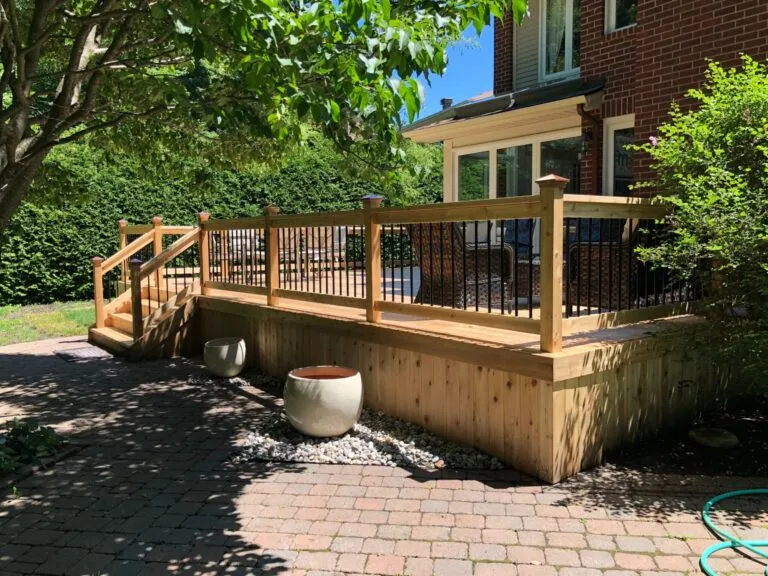
- Decks, pergolas, and seating areas
- Interlock pathways and driveways
- Natural stone patios
- Fire pits
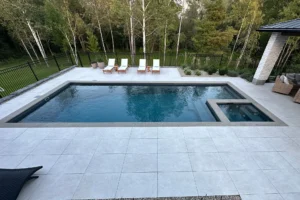
- In-ground pools
- Custom waterfalls
What’s the Difference Between Hardscaping and Softscaping?
While hardscaping and softscaping are often discussed together, they serve very different purposes in a landscape design. One focuses on structure and long-term function, while the other brings life, movement, and seasonal interest to your yard. Understanding how they differ—in terms of materials, maintenance, lifespan, and cost—can help you make more confident decisions as you plan your project. The table below highlights the key differences between hardscaping and softscaping to give you a clear, side-by-side comparison.
| Aspect | Hardscaping | Softscaping |
| Materials | Stone, concrete, brick, pavers | Plants, soil, grass, mulch |
| Maintenance | Low | Seasonal upkeep |
| Lifespan | Long-term or permanent | Grows and changes |
| Cost | Higher upfront | Lower upfront |
Which Type of Landscaping is Right for Your Yard?
The short answer is that most yards benefit from a combination of hardscaping and softscaping. The right balance depends on how you plan to use your space, how much maintenance you’re comfortable with, and the specific conditions of your property.
If your priority is functionality and structure, hardscaping may play a larger role in your design. Homeowners who love hosting often prioritize patios, built-in seating, or fire pits to create defined gathering areas. Others prefer hardscaping because it is low maintenance, choosing stone and interlock over large lawn areas.
If you’re more drawn to greenery and natural elements, softscaping will likely take the lead. Avid gardeners may dedicate more space to planting beds, trees, and seasonal colour, while homeowners seeking privacy often use shrubs and trees to screen neighbouring properties. Softscaping adds warmth and helps balance out the look of stone and concrete.
Still not sure what to go with? Working with a professional landscaper can help you find the right balance of hardscaping and softscaping for your property, budget, and lifestyle—especially when designing for Ottawa’s climate.
Professional Landscape Design and Build in Ottawa
Here at NeighborScape, if you can dream it, we can build it! Our expert team of landscaping specialists is known for delivering projects on time and on budget. Interested in learning more about our services? Explore some of our past projects or request a quote through our website today! We can’t wait to help you turn your backyard into your dream oasis.