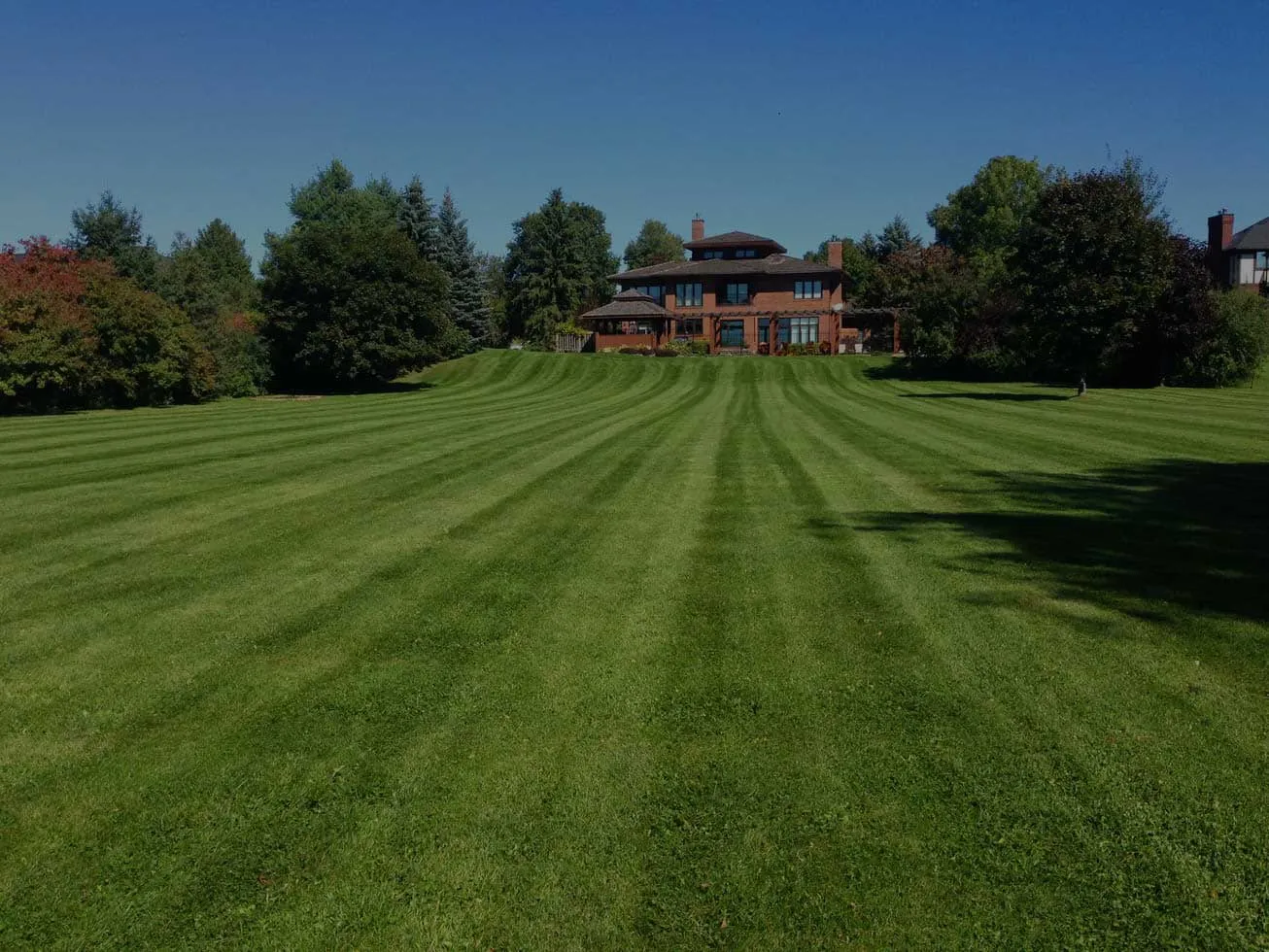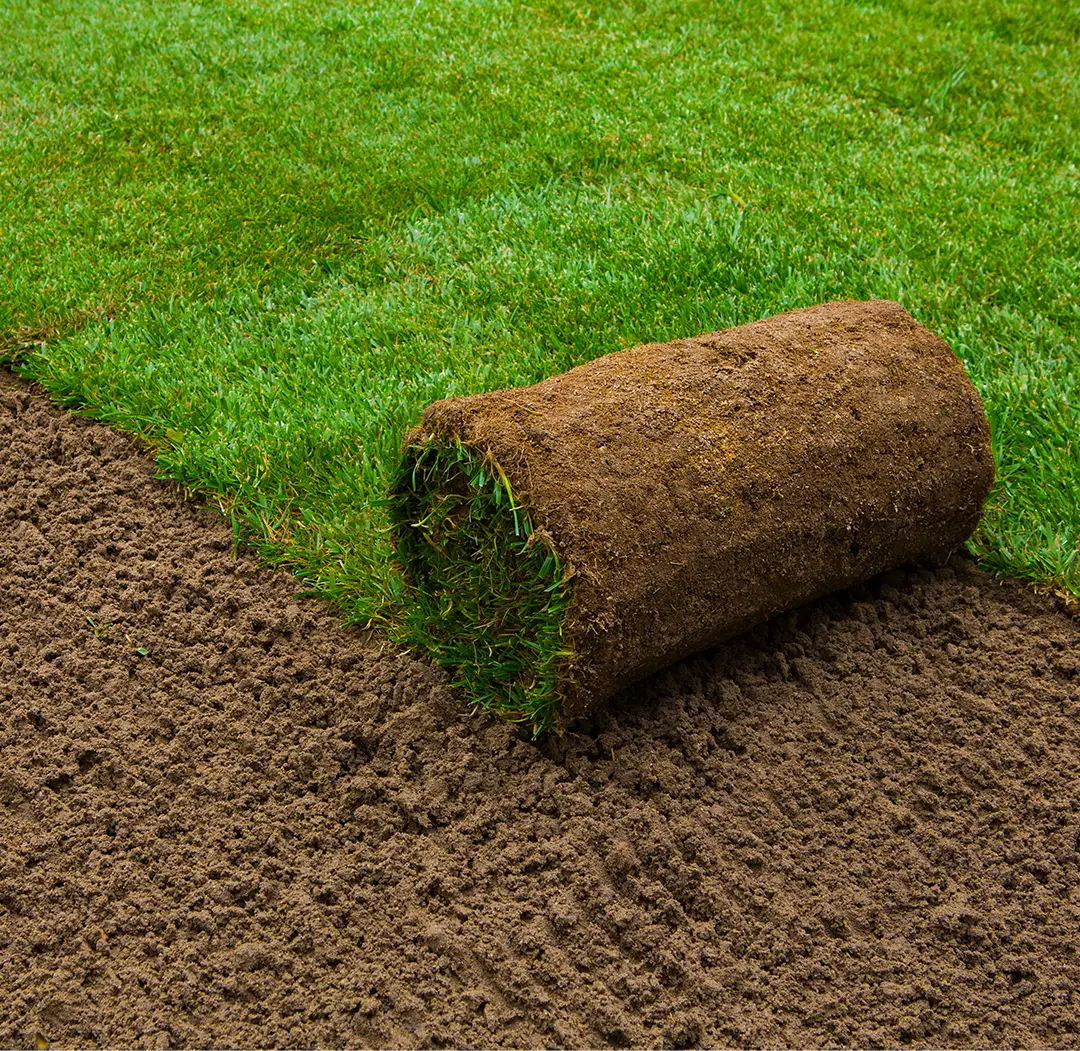
So, you’ve just had new sod installed, and you’re wondering how to take care of it. How often should you water it? When should you first mow it? While sod offers a simple way to enjoy a stunning lawn, it requires consistent lawn maintenance in Ottawa to stay healthy and look its best.
Below, the NeighborScape team will walk you through the key steps of keeping your freshly sodded lawn green, lush, and thriving. Read on!
Avoid Walking on The Lawn
Just like anyone in a new place, fresh sod needs enough time to establish strong roots. Once the sod has been installed, it’s crucial not to step on it during these crucial early stages. Any foot traffic or type of pressure can damage it before it has a chance to properly take hold.
As a general rule, wait at least one month before walking on your new lawn. It’s a small tradeoff for enjoying the long-term results of a lush lawn.
Maintain a Watering Schedule
Well-watered sod is happy sod. A consistent watering schedule can be the difference between a lawn that flourishes and one that struggles to stay green. It’s especially important right after lawn installation in Ottawa, as it sets the foundation for the rest of the season.
Here’s a quick watering schedule:
| Time After Installation | Watering Frequency |
| Week 1 | 2 – 3x daily |
| Weeks 2 – 3 | 1x daily |
| Weeks 3 – 4 | 3x weekly |
| Week 4+ | 1x weekly |
Water your lawn right after installation, working in consistent sections to ensure that the water saturates deeply and evenly throughout. After the first month, you can return to your normal watering schedule, aiming for at least one inch of water per week (including rainfall).
Keep Up With Seasonal Maintenance
Just like the flowers, shrubs, and the rest of your landscaping, sod requires ongoing care. Seasonal lawn maintenance in Ottawa is crucial for keeping your grass healthy and resilient, season after season.
Some maintenance tasks for sod can include:
- Aeration: Creating small holes in the soil to protect against compaction and allow air, water, and nutrients to penetrate deeper to the roots. Aeration isn’t usually needed until at least one year after sod installation.
- Fertilization: Using soil inputs to add essential nutrients to the soil, helping support healthy growth and improving resilience to stressors. We recommend waiting at least one month before applying fertilizer.
- Dethatching: Removing the layer of buildup known as thatch, made of dead grass, stems, and other organic material. Thatch accumulates over time, so dethatching is typically only needed once the lawn has fully matured.
Practice Proper Mowing Technique
Once the sod has had time to establish roots, proper mowing can help protect it and support healthy growth. There are a few steps you can take when mowing to help it establish properly.
Wait Until It’s Long Enough
- Patience pays off. Wait at least two weeks, or until the grass reaches about 3.5 to 4 inches, before the first trim.
Don’t Cut it Too Short
- Avoid cutting too much at once. The grass is still growing at this point, and cutting more than the top layer may cause stress or damage.
Use Sharp Blades
- Make it a point to always use sharp mower blades on your lawn. Sharp blades can create clean cuts. Dull blades, on the other hand, may tear the grass rather than cut it.
No Sod? No Problem.
Ready to make the most out of your outdoor space this season? We’ll help you get there.
Since 2006, NeighborScape has been providing the Ottawa Valley with stunning outdoor renovations, exceptional lawn care, and stunning new landscaping construction. Reach out to us to book your appointment today, and enjoy end-to-end support for sod installation, landscaping, and lawn maintenance in Ottawa.