Wondering which garden care tasks deserve the most attention as we move deeper into the summer season? As the days stretch longer and gardens inch toward full bloom, a few simple maintenance tasks can keep things lush and thriving!
That’s where NeighborScape comes in. In this short blog, let’s dive into our must-know summer checklist, spanning everything from horticultural maintenance to lawn care and beyond! Read on to learn more.
Stay Ahead of Weeds & Pests
While a weed here or there may seem insignificant, it can eventually feel like a turf war after just a few weeks. Fortunately, while Dandelions, crabgrass, and other weeds are sneaky, they can be easily held at bay with enough proactive work. Pulling weeds as you notice them before they seed further can save a lot of work later. A thick layer of mulch in the garden beds smothers most opportunists before they get going, too.
Additionally, a beautiful outdoor space can attract all kinds of visitors, including a few pesky ones. Monitor your green spaces for pests such as aphids, Japanese beetles, cabbage worms, and others. If you do happen to come across any unwanted visitors, pest control depends on what you’re seeing. For example, soapy water spray handles aphids on most plants, whereas row covers keep cabbage worms off the brassicas.
Water Smarter For a Lush Garden & Lawn
Though your grass can’t ask for a tall glass of water, there will be signs if they’re unhappy. As the warmer weather peaks, it’s important to prioritize proper watering techniques. If possible, line up your watering schedule for the early morning. This gives moisture time to soak into the soil before the heat picks up.
Lawns typically prefer deeper, less frequent watering. As a general rule, aim for 1 to 2 inches of water per week (including rainfall). This is often around 1 to 2 watering sessions every week.
Gardens, on the other hand, have different watering patterns. While the exact amount of water depends on factors such as plant type and growth stage, it’s generally a good idea to approach garden watering with a more targeted approach.
Deadhead Spent Flowers
Even the most gorgeous flowers will eventually start to look a little tired, which is where deadheading comes in. Deadheading is a crucial step of garden management, which involves removing aged flowers so energy can go toward new growth. Keep a close eye on your blooming flowers, and deadhead spent ones when possible.
It’s important to keep in mind that the actual process of deadheading is flower-specific, so make sure to double-check the requirements of each variety before starting.
Refresh Garden Edges
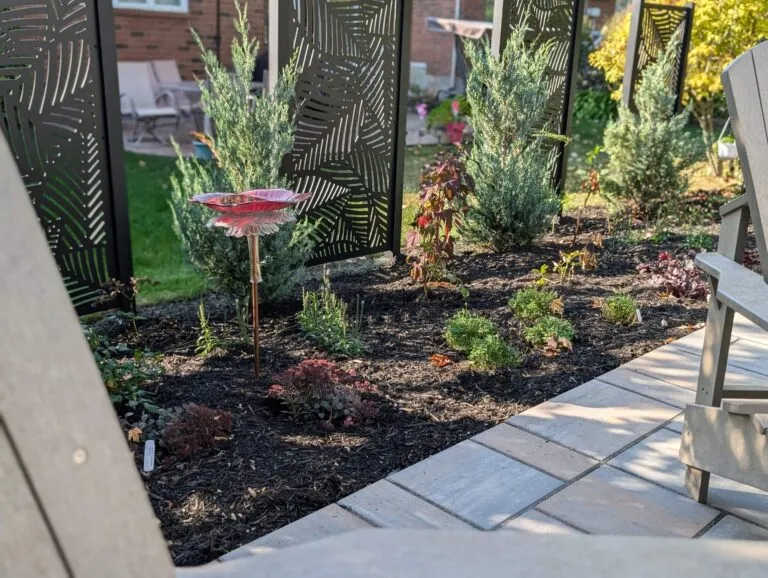
If your crisp, clean garden edges are starting to appear unkept, a tidy-up can keep things looking fresh. Take a sharp spade or manual edger and make a clean cut along the lawn-garden line. Take it slow and follow the bed’s natural curve. Afterwards, a fresh top-up of mulch can pull the whole look together and help suppress weeds for a few extra weeks.
How often you should edge your garden depends on your plants and their growth rates. Though for many homeowners, refreshing edges once or twice a season is plenty if things have crept in.
A Helping Hand For Horticultural Maintenance
At NeighborScape, we offer end-to-end support for all your landscaping needs, from beautiful horticultural maintenance to backyard design. If you’ve noticed one or more of these garden maintenance challenges and are looking for a helping hand, we’re here to help!
Our garden maintenance services take care of everything, including:
- Weeding
- Trimming
- Deadheading
- Fertilization
- Grass cutting
Enjoy Your Garden, We’ll Do the Rest
We’re the Ottawa Valley’s chosen horticultural maintenance partner, with results that speak for themselves. Reach out to us today to get a free quote from our expert garden maintenance team, delivering exceptional results since 2006.